
Knowledge

It’s not only what you know, it’s whom you’ll listen to that matters.

Cross-Border Collaboration: Transatlantic Antitrust Enforcement on the Uptick
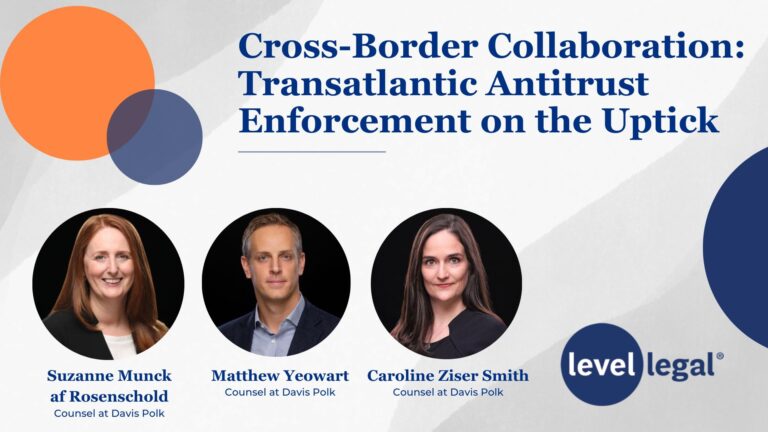
Cross-Border Collaboration: Transatlantic Antitrust Enforcement on the Uptick

Emoji Today, Tomorrow, and Forever
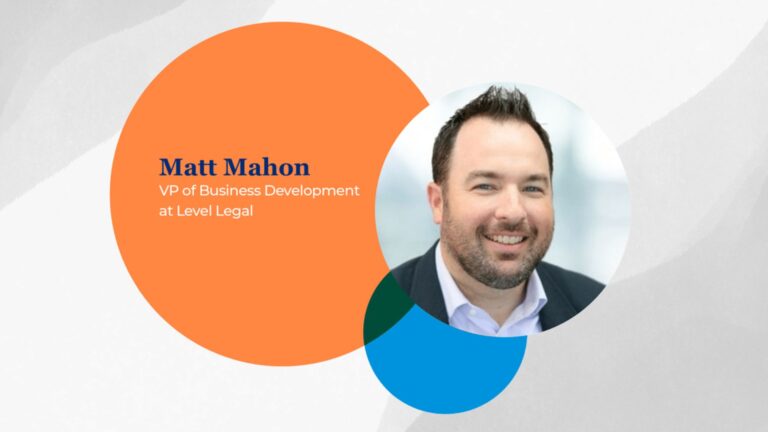
Emoji Today, Tomorrow, and Forever

Upstream and Downstream: Potential Compliance Challenges for Every Antitrust Stage
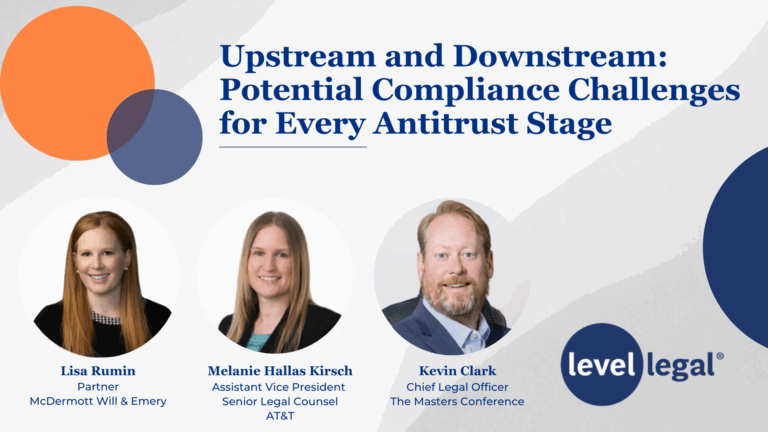
Upstream and Downstream: Potential Compliance Challenges for Every Antitrust Stage

Ten Thousand Hours of eDiscovery: Doug Austin on AI, Hyperlinks, and the State of the Industry
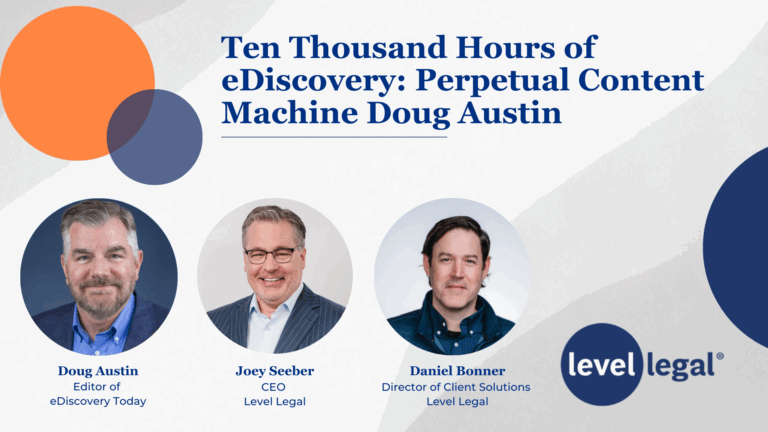
Ten Thousand Hours of eDiscovery: Doug Austin on AI, Hyperlinks, and the State of the Industry

Mapping the Changing Landscape of Antitrust Regulation With Jones Day
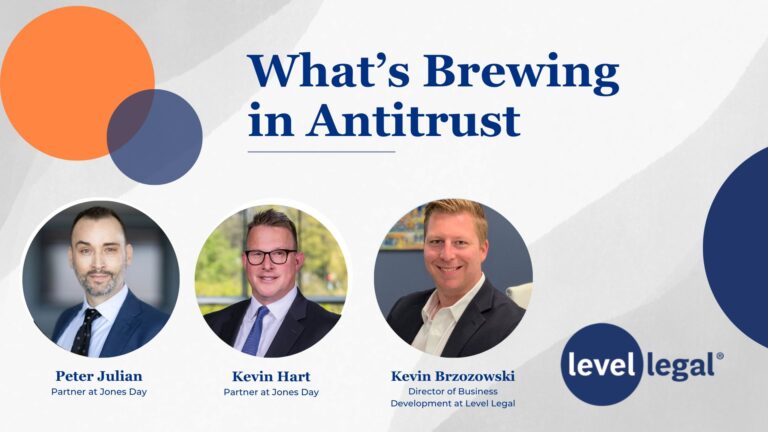
Mapping the Changing Landscape of Antitrust Regulation With Jones Day

Dropping Dimes: Kelly Twigger on Case Law, Generative AI, and Other eDiscovery Assists

Dropping Dimes: Kelly Twigger on Case Law, Generative AI, and Other eDiscovery Assists

Hub and Spoke: Gibson’s Diana Feinstein and the New Model Legal Team

Hub and Spoke: Gibson’s Diana Feinstein and the New Model Legal Team

The Big One-Five: A Look Back on Level Legal’s 15 Years in eDiscovery

The Big One-Five: A Look Back on Level Legal’s 15 Years in eDiscovery

Traveling: Tips and Stories About Stephanie Angel’s Move From Big Law to Big eDiscovery

Traveling: Tips and Stories About Stephanie Angel’s Move From Big Law to Big eDiscovery

On Thin Ice: Artificial Intelligence in Antitrust Law

On Thin Ice: Artificial Intelligence in Antitrust Law

Career Kickstart: Seven Steps to Get Into Managed Review

Career Kickstart: Seven Steps to Get Into Managed Review

Navigating the Intersection of AI, Cryptocurrency, Money Laundering, and Proliferation Financing

Navigating the Intersection of AI, Cryptocurrency, Money Laundering, and Proliferation Financing
No results found.
Close Modal

Our Framework

Understand.

During this phase, we work to step away from any assumptions and guesses about what our customers needs, and let our research findings inform our decision-making. We learn more about our customers, their problems, wants, and needs, and the environment or context in which they will use the solution we offer.

Our Framework

Define.

During the Define phase, we analyze our research findings from the Understand phase and determine what is the most important problem to solve — and why. This step defines the goal. Then we can give a clear problem statement, describing what our customers’ needs are that we are trying to solve, making sure that we heard and defined their problem correctly.

Our Framework

Solve.

This phase is an important part of the discipline in our process. People often settle for the first solution, but the most obvious solution is often not the right one. During the Solve phase, we brainstorm collaboratively with multiple stakeholders to generate many unique solutions. We then analyze our potential solutions and make choices about which are the best to pursue based on learnings in the Understand phase.

Our Framework

Build & Test.

This phase is critical in developing the right solution to our customers’ problem. An organized approach to testing can help avoid rework and create exceptional outcomes. Starting small and testing the solution, we iterate quickly, before deploying solutions across the entire project.

Our Framework

Act.

During this phase, the hard work of prior phases comes to life in our customers’ best solution. The research, collaboration, and testing performed prior to project kick-off ensure optimal results.

Our Framework

Feedback.

At the project completion, we convene all stakeholders to discuss what went well, what could have been better, and how we might improve going forward. We call these meetings “Retrospectives,” and we perform them internally as a project team, and with our external customers. The Retrospective is one of the most powerful, meaningful tools in our framework.

Next